"Every formula starts with the animal in front of me, not the bag on the shelf."
— Dr. Mara Voss, DVM, DACVN
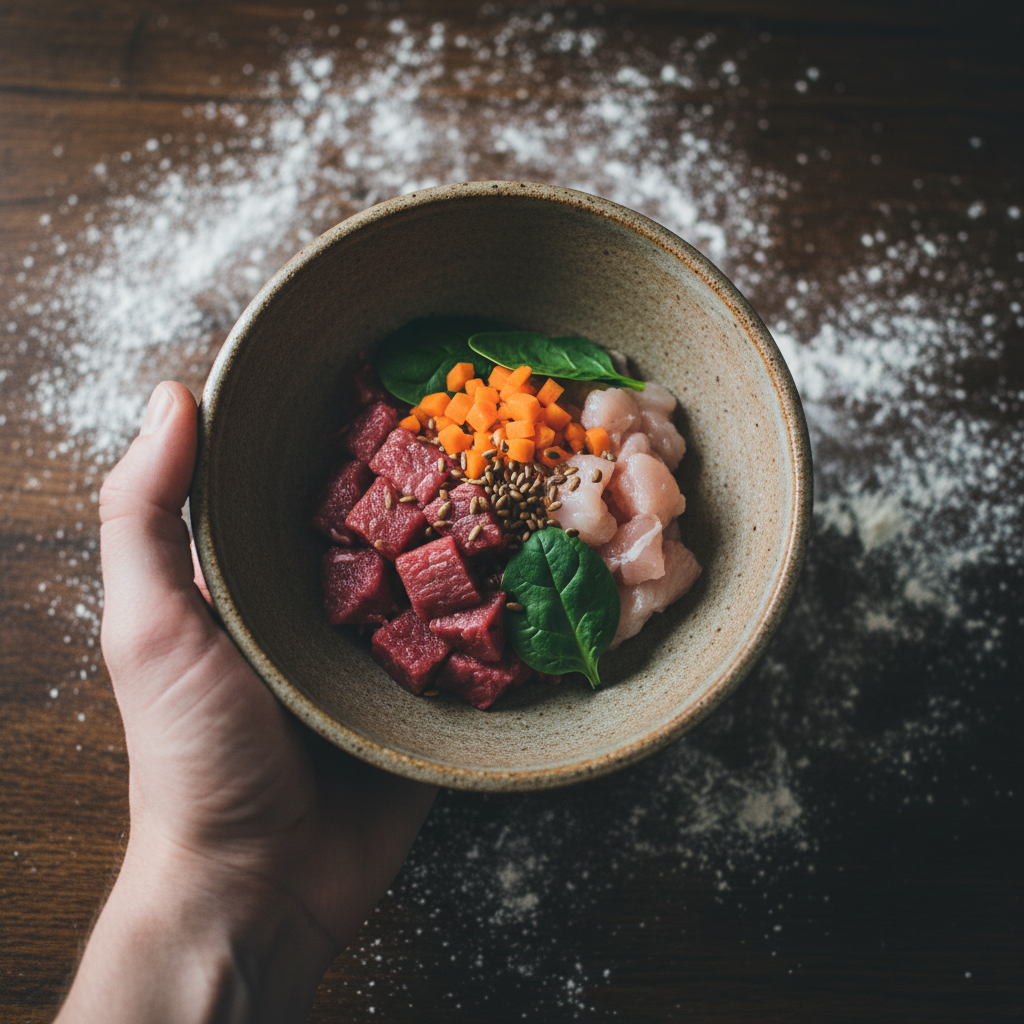
The Whole Bowl
A Nutritionist's Guide to Feeding Well — written for the owner who weighs their ingredients, reads the study, and still wants more.
Proteins
Novel sources, phosphorus ratios, and bioavailability — for the Frenchie with skin allergies, the senior with kidney concerns, the puppy growing too fast.
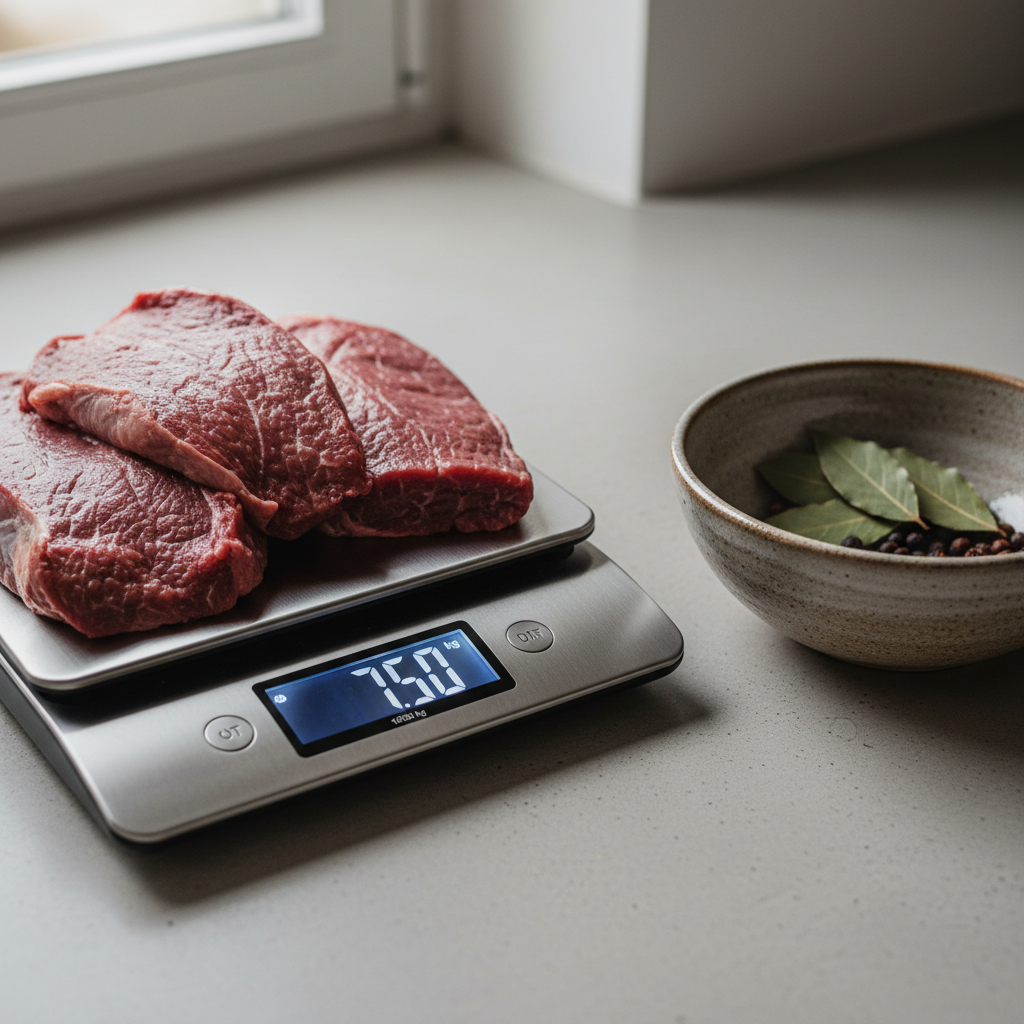
Novel Proteins & the Allergic Dog
When chicken and beef are off the table, venison, kangaroo, and green-lipped mussel open entirely new formulation windows.
"Phosphorus ratios matter more than protein percentages for a CKD cat. The number on the bag is almost never the number you need."
— Chapter I, KibblePhosphorus by Protein Source
mg per 100g cooked weight · NRC 2006
Fats
Omega balance, rendered versus fresh, rancidity in storage — the lipid chapter that separates a good diet from a great one.
"The omega-6 to omega-3 ratio in most commercial kibble sits between 10:1 and 25:1. The optimal range for a dog with inflammation is closer to 5:1."
— Chapter II, KibbleFat Source Comparison
Best cold, store frozen
Rendered vs. raw matters
MCT, not omega source
Poor conversion in cats
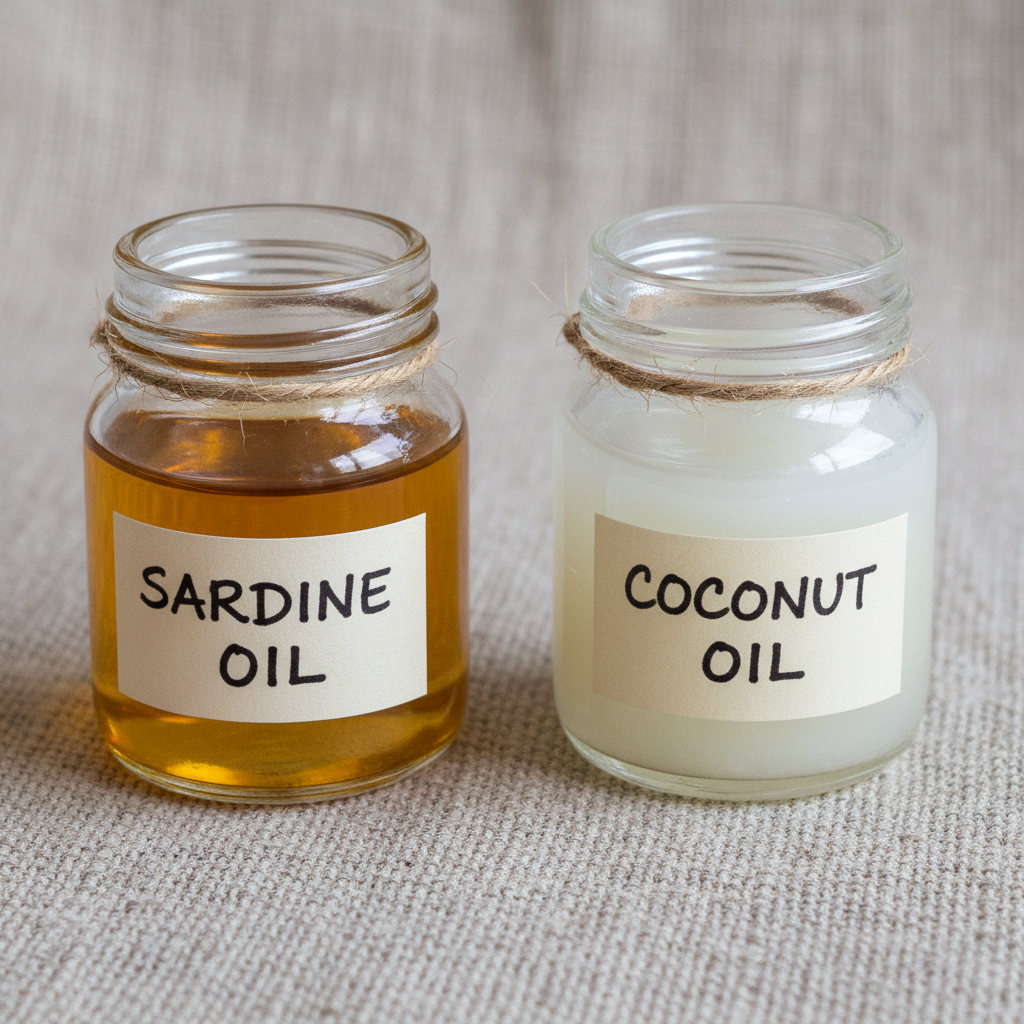
Rancidity & the Raw Feeder
How storage, light exposure, and freezing cycles affect the lipid quality of your dog's dinner.
Micronutrients
Taurine, zinc, manganese, D3 — the invisible architecture of a complete diet, and where home-prepared meals most often fall short.
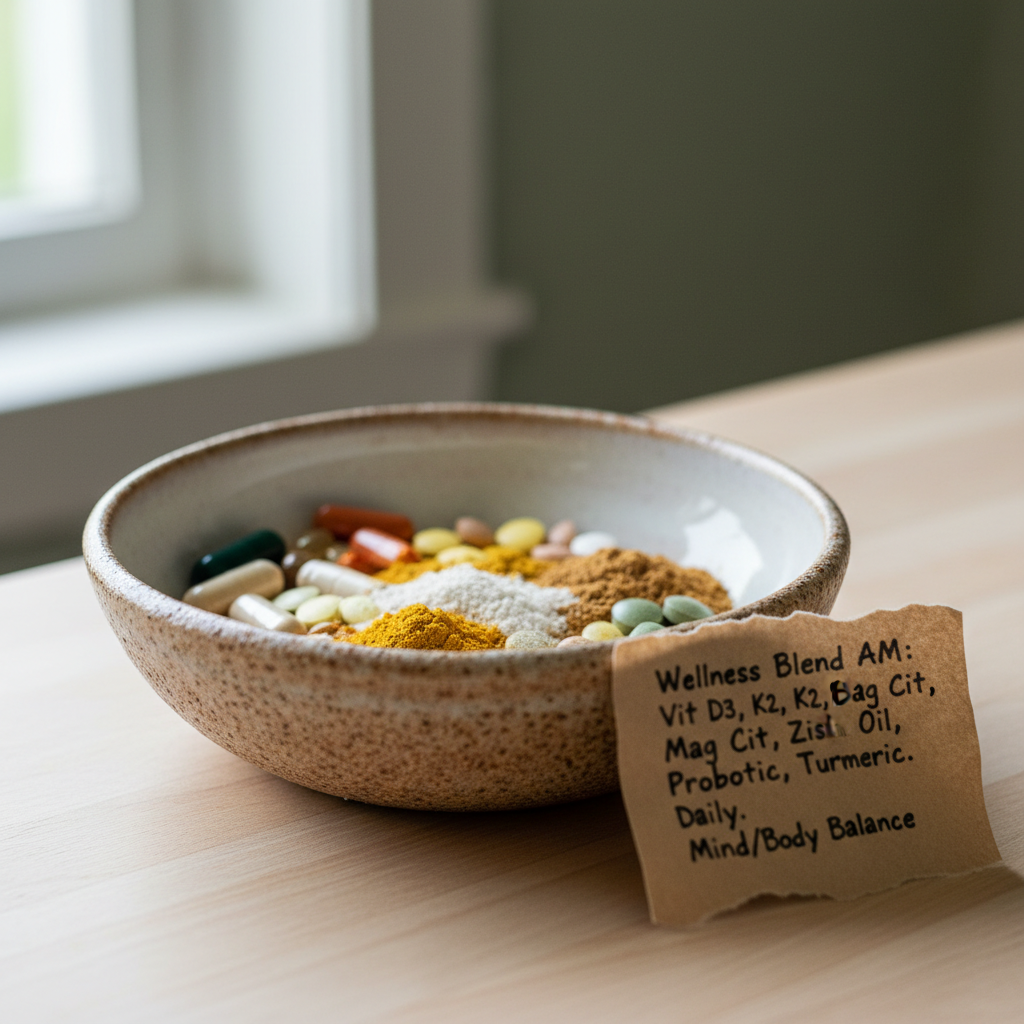
Taurine & the Grain-Free Question
The 2018 FDA investigation changed how we think about legumes in dry food. Here is what we actually know, and what is still being studied.
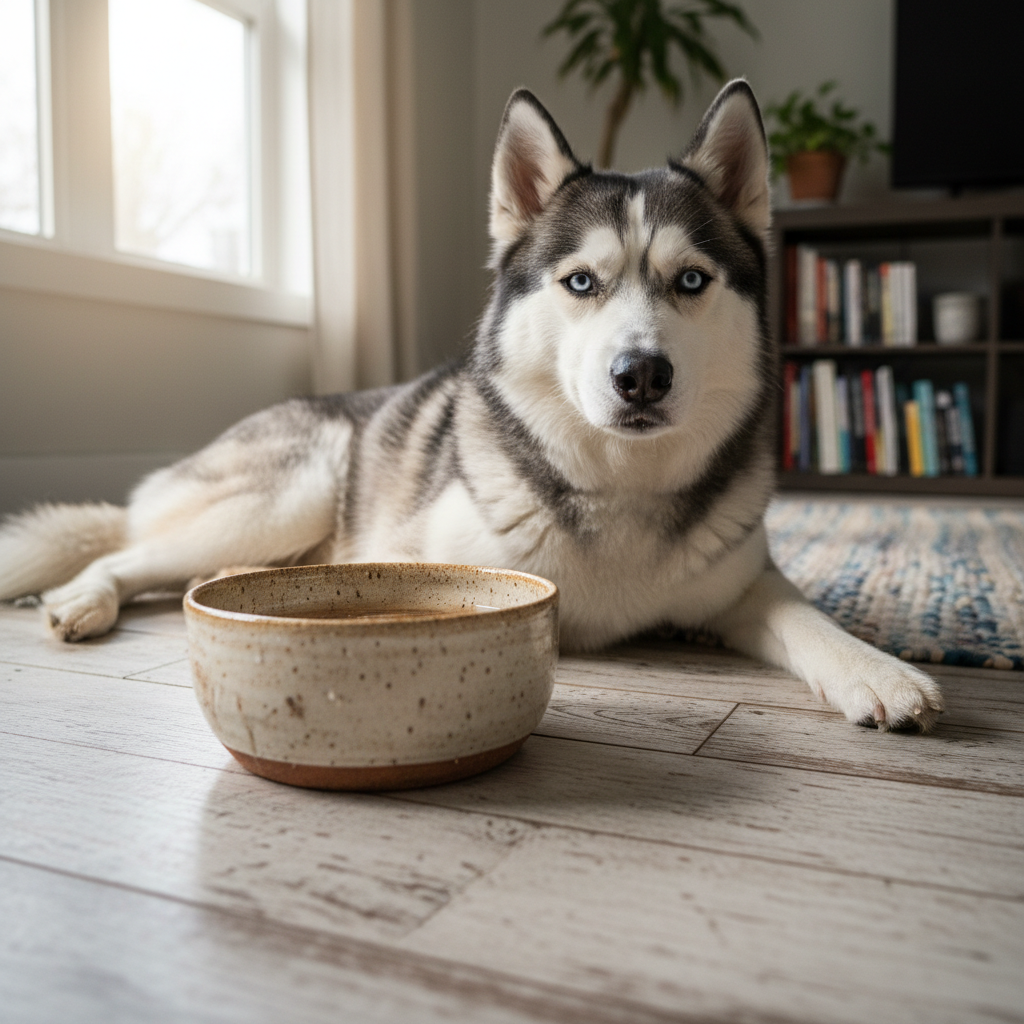
Reserve your copy to unlock
Reserve AccessZinc Deficiency in Northern Breeds
Siberian Huskies and Malamutes have a documented genetic predisposition to zinc malabsorption. Supplementation strategies and dietary sources that actually absorb.
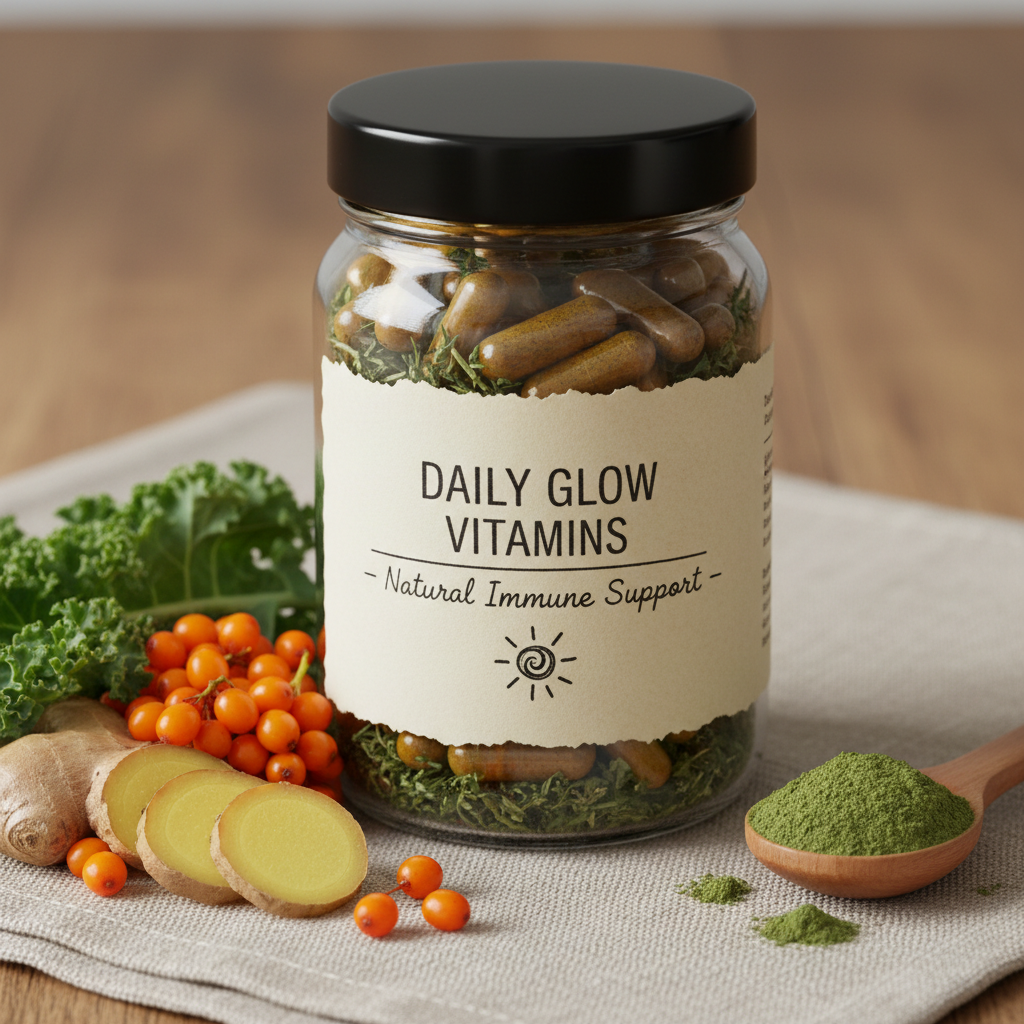
Reserve your copy to unlock
Reserve AccessVitamin D3 in Home-Prepared Diets
Unlike humans, dogs cannot synthesize D3 from sunlight efficiently. Every home-prepared diet needs a reliable D3 source — and the margins are surprisingly narrow.
Recipes
Scratch-formulated, scale-weighed, breed-adjusted. Every recipe includes a complete nutrient profile and a sourcing note.
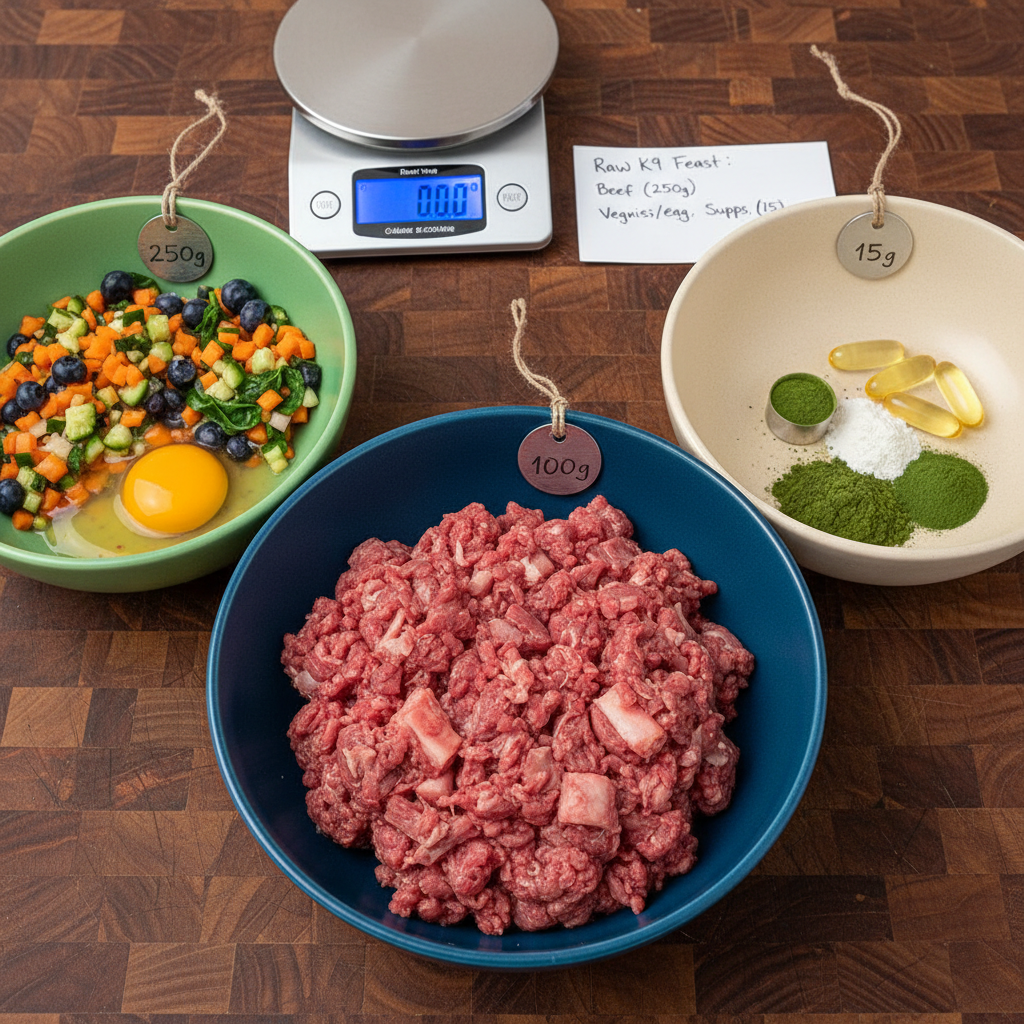
Reserve your copy to access all recipes
Reserve AccessVenison & Sardine Base
for the Allergic Frenchie
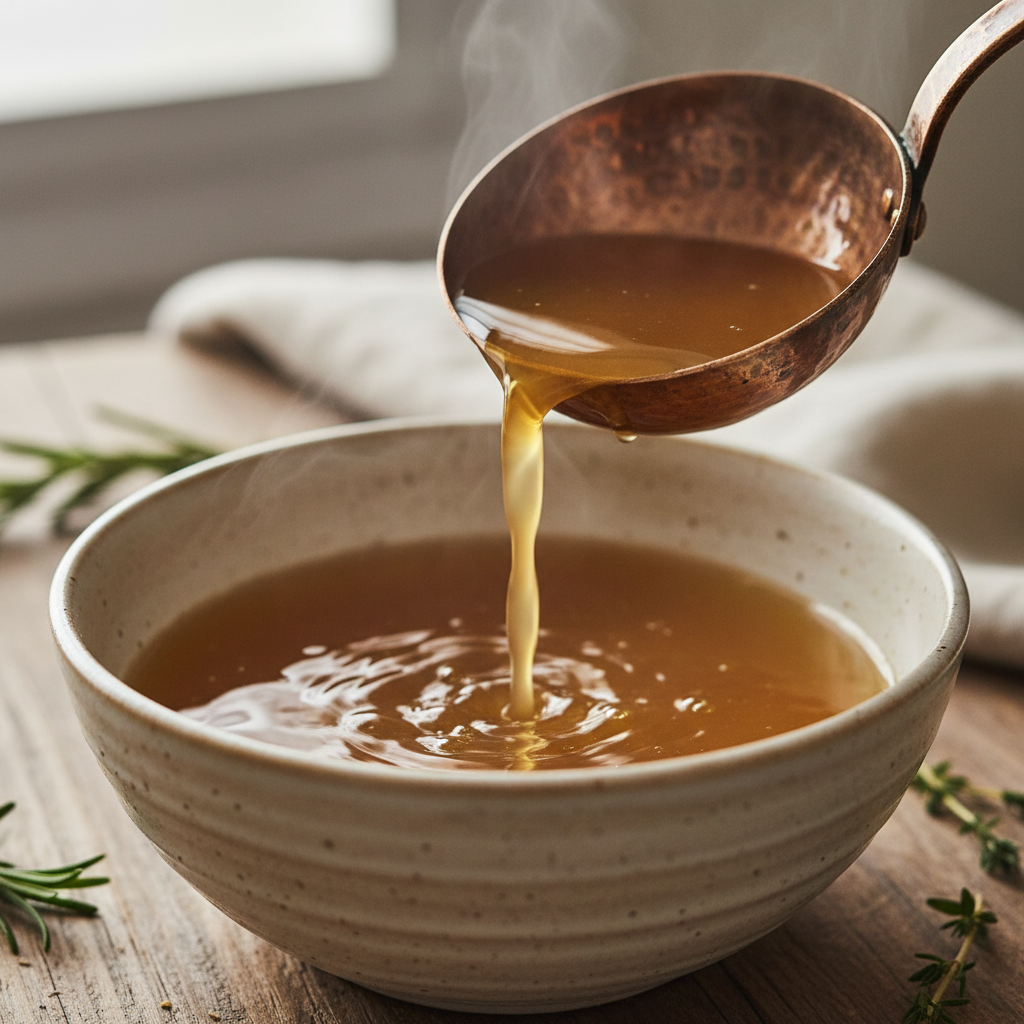
Bone Broth Topper for Senior Cats
Slow-cooked 24 hours. Taurine-supplemented. Ladled over any grain-free base to add hydration and palatability.
Rabbit & Pumpkin Bowl
For a 10kg adult dog · Per 250g serving
Myths
Grain-free, raw, kibble — what the data actually says when you pull the peer-reviewed literature and set the Instagram posts aside.

"The most dangerous myth in pet nutrition is certainty."
— Dr. Mara Voss, DVM, DACVN"Grain-free means healthier"
Grain-free diets replaced grains with legumes — and the FDA spent five years investigating the cardiac outcomes. The data is nuanced. The marketing is not.
"Raw feeding is always safer"
Bacterial contamination rates in raw commercial meat are measurable and real. Freezing helps. It does not sterilize. For immunocompromised dogs, the calculus changes.
"Kibble is complete and balanced"
AAFCO minimum requirements were set to prevent deficiency disease, not to optimize health. A diet can pass AAFCO and still be nutritionally mediocre.
"Cats are just small dogs"
Cats are obligate carnivores with unique metabolic requirements — taurine, arginine, arachidonic acid, niacin from animal sources. Every difference matters at the bowl.
Reserve Your Copy
The full journal drops this spring — five chapters, forty-two formulated recipes, and a reference library built from peer-reviewed literature. Reserve your copy now and receive Chapter One the day it opens.